
Meet Vervet Monkeys
“Having respect for animals makes us better humans.”
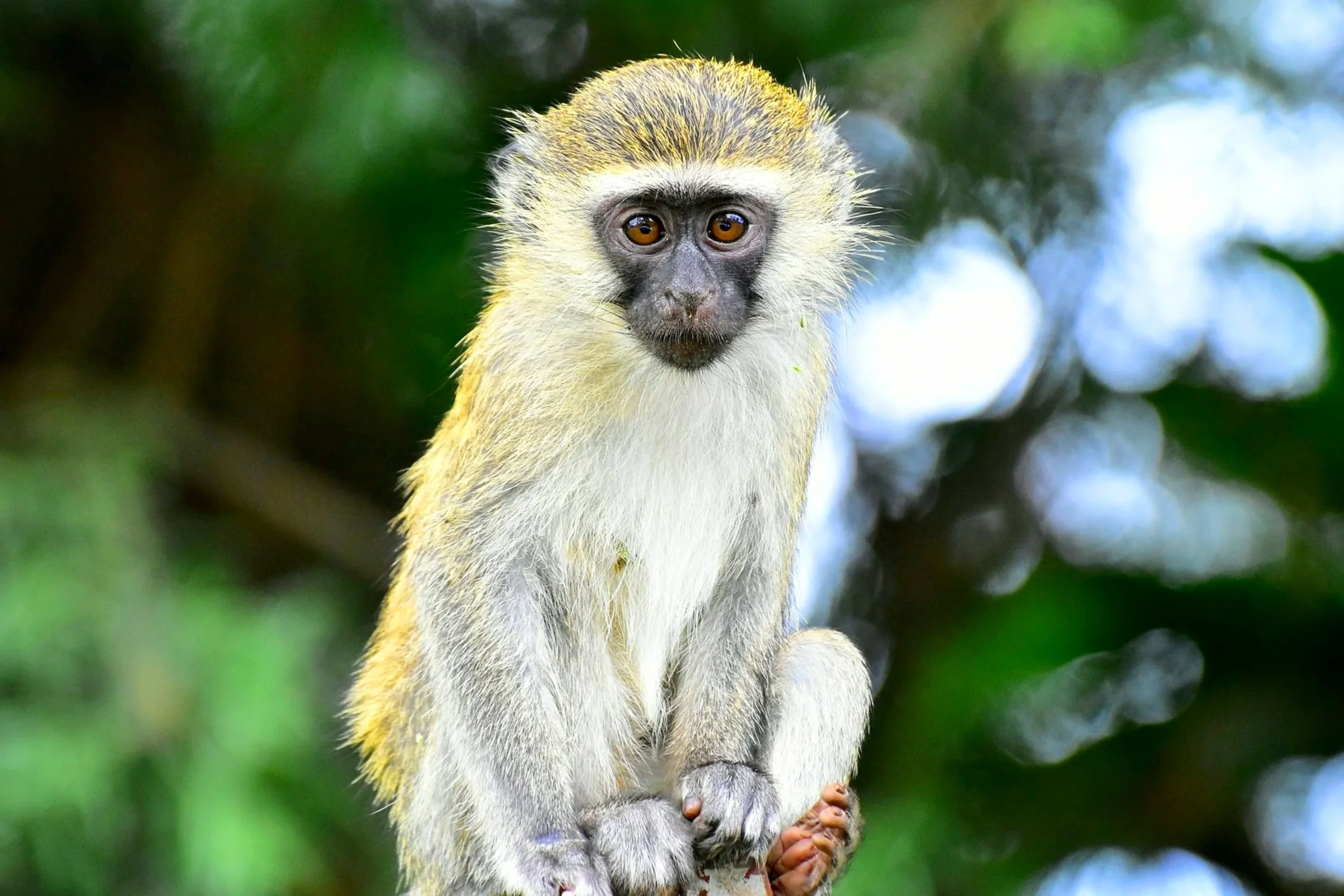
Vervet monkeys are intelligent, social, and endlessly curious, often providing Moyo guests with memorable moments between game drives. These lively primates are a favorite among visitors.
Photo Credit to Ivan Sabayuki
Amazing Vervet Monkey Facts
They communicate using a surprisingly complex system of vocal calls, including different alarm calls for leopards, eagles, and snakes. Other monkeys recognize these calls and respond with the appropriate escape strategy.
They are highly intelligent problem-solvers and quickly learn from experience.
Vervets are omnivores, feeding on fruits, leaves, flowers, seeds, insects, bird eggs, and occasionally small reptiles.
They spend much of their day foraging, grooming, and watching for predators.
Their long tails help them maintain balance while climbing and leaping through trees.
Family groups often include 10 to 50 individuals led by experienced adults, with young monkeys learning by watching older members of the troop.
Why You Might Spot Them Near Camp
Vervet monkeys naturally prefer areas with trees, water, and reliable food sources, making riverine woodlands and acacia groves ideal habitat. These are also the kinds of beautiful locations where safari camps are often situated.
At Moyo Camp Warangi, guests may occasionally see vervet monkeys moving through nearby trees along the Warangi River, while other Moyo camps may also receive visits from passing troops depending on seasonal food availability and natural movement patterns.
Their Playful Personalities Are Fun to Watch
Their expressive faces, playful antics, and constant curiosity often make them one of the most photographed animals around camp. Vervet monkeys are rarely still for long. Youngsters spend hours chasing one another through branches, practicing climbing skills, wrestling, and inventing games that seem almost endless.
Adults are equally entertaining. Grooming is one of their favorite activities and serves an important purpose beyond hygiene. By carefully picking through one another's fur, monkeys strengthen friendships, reduce stress, and reinforce family bonds.
Watching a troop travel together is fascinating. One monkey may climb high into a tree to keep watch while others forage below. Mothers carefully carry infants on their backs, while older siblings often help supervise younger monkeys. When danger appears, the entire troop reacts almost instantly, each member responding to alarm calls that warn of different predators.
Enjoy Vervet Monkeys Responsibly
One of the reasons vervet monkeys continue to behave naturally in Serengeti National Park is because visitors are encouraged to observe them without interfering. To protect both wildlife and guests, TANAPA (Tanzania National Parks Authority) recommends a few simple guidelines:
Never feed monkeys or any other wild animal
Do not attempt to touch or pet wildlife
Store food securely and avoid leaving snacks unattended
Observe monkeys from a respectful distance
Never encourage monkeys to approach for photographs
Follow your guide's and camp staff's instructions whenever wildlife is nearby
Keep the environment clean by properly disposing of all rubbish
Feeding wildlife may seem harmless, but it can alter natural behavior, make animals dependent on people, and increase conflicts between wildlife and visitors. Respecting these guidelines helps keep the Serengeti wild for future generations.
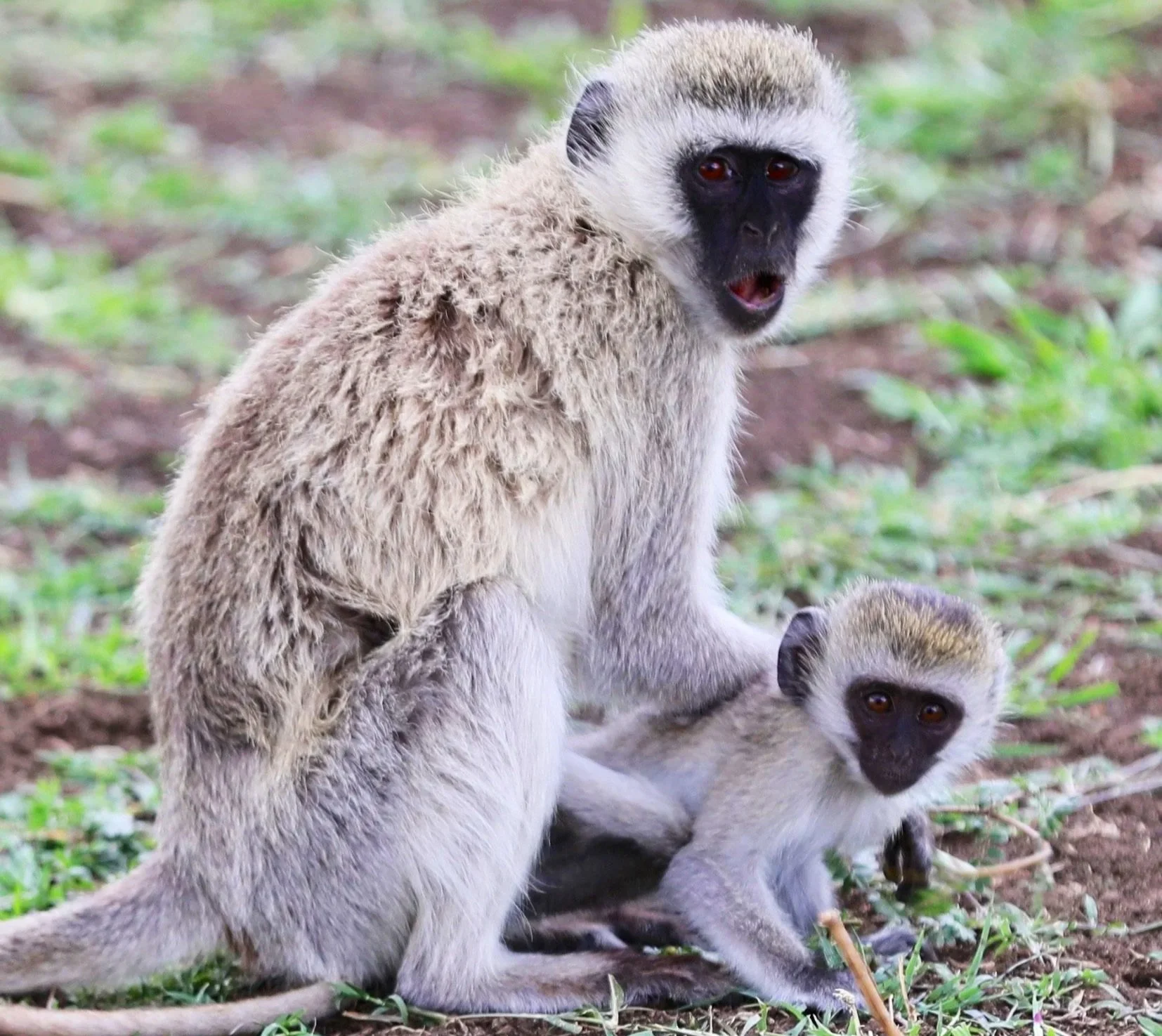
It's important to remember that the monkeys are not attracted by people, but by the natural habitat surrounding the camp, allowing guests to observe animals behaving naturally in their own environment.
At Moyo Tented Camp, every day offers the chance to appreciate not only Africa's famous Big Five, but also the countless fascinating animals that make this remarkable ecosystem so extraordinary.
We are here to help you start planning.